
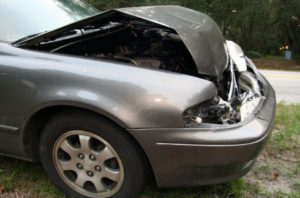
 In many instances, there is more than one tortfeasor (negligent driver). For example, Danny Defendant might rear-end Patty Plaintiff after she makes an illegal lane change. Or, Peter Plaintiff might roll through a stop sign and collide with Debbie Defendant, who is intoxicated. In these situations and others like them, the jury must either apportion fault on a percentage basis or conclude that, in a legal sense, one party or the other was entirely responsible for the car crash.
Whenever possible, insurance companies nearly always used these theories and defenses to either reduce the plaintiff’s damages or entirely deny compensation.
Like most jurisdictions, Illinois is a modified comparative fault state that bars recovery if the plaintiff’s fault exceeds a certain percentage; in the Prairie State, the defendant must be at least 51 percent responsible for the plaintiff to recover damages. So, in the first example above, if the jury determines that the damages were $100,000 and Danny was 60 percent at fault, Patty would receive $60,000 (60 percent of the total). In the second example, if the damages were $100,000 and Debbie was 50 percent at fault, Peter would receive nothing because Debbie was not at least 51 percent at fault.
Balancing the scales of justice in the plaintiff’s favor is really a two-part process because, in addition to weighing down the defendant’s side, an attorney must also lighten the load on the plaintiff’s side. As such, it is important to emphasize what the plaintiff did right. Even such seemingly trivial items as buckling a seat belt, checking mirrors, and reading the dashboard gauges make the plaintiff a careful driver in the eyes of the jurors, who may then divide fault accordingly.
The sudden emergency doctrine excuses liability in some cases. For this defense to apply, the defendant must prove:
In the words of Colorado Court of Appeals Justice David Furman: “The standard of care, wrapped up in the mystical creature of law known as the reasonable person, necessarily changes when unexpected, sudden emergency situations occur and which have nothing to do with the conduct of the alleged tortfeasor.”
In a negligence case, the insurance company is not “on your side.” For a free consultation with an aggressive personal injury lawyer in Schaumburg, contact us today. Home and hospital visits are available.







1990 E. Algonquin Rd., Ste 230
Schaumburg, IL 60173
